 ecchelmet
 Air Jordan Sneakers Compared: High-Top vs Low-Top Silhouettes
Picking between high-top and low-top Air Jordan shoes is one of the most popular debates encountered by shoe collectors in 2026. Both cuts carry decades of basketball history and street cred, yet they meet clearly different purposes on and off the court. High-top models shaped Michael Jordan’s career, delivering the ankle stability that allowed him command the NBA through six title seasons. Low-top models, on the other hand, emerged as a fashion-oriented variant that emphasizes range of motion and summer versatility. Knowing the actual differences between these two cuts can help you avoid buyer’s regret and allow you to construct a more balanced sneaker lineup. In this matchup, we examine athletic performance, comfort, fashion, and value so you can arrive at a well-educated decision on your upcoming pair of Air Jordans.
The History Behind Both Silhouettes
When Peter Moore designed the original Air Jordan 1 in 1985, the high-top build was the unchallenged default for basketball shoes. The elevated collar surrounded Michael Jordan’s ankle area and grew into an iconic visual element that Nike advertised heavily during the “Banned” campaign. It was not until the Air Jordan 11 Low appeared in 1996 that Jordan Brand genuinely experimented with the low-top construction for a mainline silhouette. That launch confirmed that fans would accept a reduced version of an already popular shoe, paving the way for low-cut editions of nearly every signature Jordan. By the mid-2000s, low-top Jordans had grown into a seasonal go-to, regularly selling out alongside their high-cut siblings. As of now in 2026, Jordan Brand puts out approximately comparable amounts of high-top and low-top releases each quarter, demonstrating even buyer interest across both formats.
Ankle Support and On-Court Performance
High-top Air Jordans extend 2 to 3 inches above the ankle joint, forming a firm collar that minimizes sideways rolling during intense cuts and jumps. Silhouettes like the Air Jordan 1 High and see here Air Jordan 12 use padded collars combined with firm heel counters to secure the foot during game situations. According to a 2024 report published in the British Journal of Sports Medicine, high-top basketball sneakers cut the frequency of ankle injuries by approximately 28 percent compared to low-profile models in non-professional athletes. Low-top Jordans, such as the Jordan 1 Low and Jordan 11 Low, forgo some of that ankle support in trade for lighter weight — often cutting 50 to 80 grams per shoe. For recreational players who play rec-league games once or twice a week, that weight reduction leads to faster first steps and lower exhaustion over extended sessions. The sacrifice is tangible, though: if you have a track record of ankle sprains, a high-top model with tight lacing is still the wiser choice for any on-court activity.
Everyday Ease
Outside of basketball, wearability needs change significantly, and low-top models frequently take the lead. The shorter collar height does away with the pressure point that high-top models can produce against the Achilles tendon during prolonged walking. Many owners find that low-top Jordans feel ready after just two or three uses, while high-cut versions may demand five to seven sessions before the collar padding fully molds. Sole technology is kept the same across both cuts — the Air Jordan 1 features the same Air sole unit no matter the height, and the Jordan 11 maintains its full-length Air unit in both versions. Foot temperature is another relevant consideration: low-cut models allow considerably better breathability around the ankle area, making them the preferred option for hot weather when foot temperature becomes an concern. For winter or full days of wear, the heat retention provided by a high-top collar can in fact work in your favor, keeping warmth held around the ankle.
Fashion Impact and Outfit Flexibility
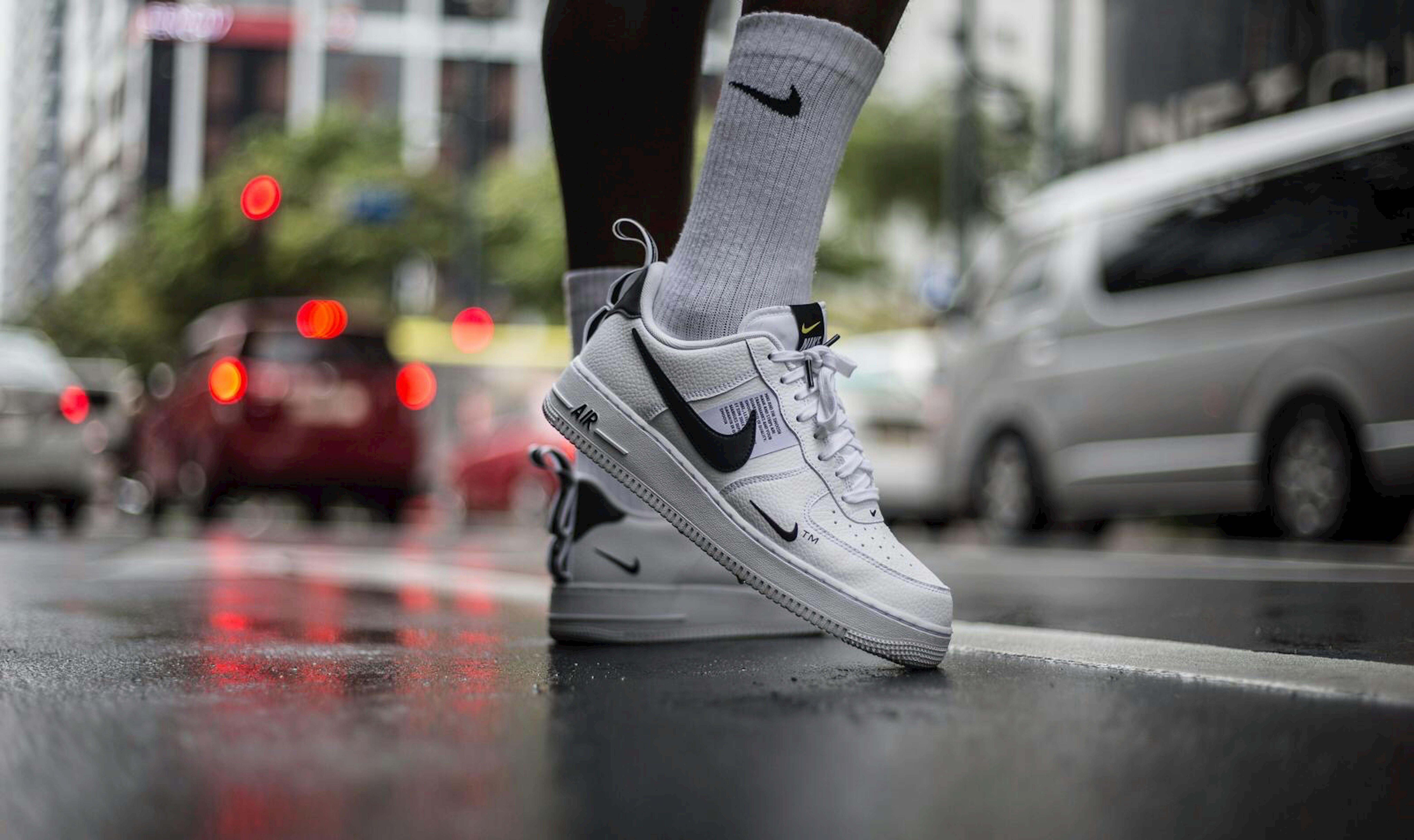
From a style angle, high-top Air Jordans command attention and function as a centerpiece in any outfit. The Air Jordan 1 High, in colorways like Chicago, Bred, and Royal, perpetually places among the most captured kicks on Instagram and TikTok, generating millions of hashtag mentions on Instagram alone. High-top models complement slim or tapered pants, joggers, and casual shorts that permit the full profile to be shown off — hiding a high-top under baggy denim negates its design intent. Jordan Lows, on the other hand, provide a slimmer shape that blends smoothly with a broader variety of clothing styles, like regular-fit jeans, khakis, and even smart-casual trousers. Style-conscious shoe lovers in 2026 regularly deploy low-tops as a versatile option that bridges streetwear and business-casual settings. The outfit range offers low-tops a modest upper hand for consumers who need a one pair to address multiple dress codes throughout the week.
Colorway and Fabric Factors
High-top Air Jordans typically include more real estate, which enables designers to add multi-color blocking and diverse fabrics across the upper. This additional surface area is why legendary colorways like the Jordan 1 High “Union LA” and “Travis Scott” partnerships seem so visually rich — there is literally more room to utilize. Jordan Lows compress that same design language into a reduced canvas, which can either look cleaner or feel visually cramped depending on the colorway. Leather, nubuck, suede, and patent leather all are used across both formats, though luxury fabrics often appear more frequently in high-top exclusive releases. In terms of toughness, the added construction on a high-top means somewhat greater coverage against scratches around the ankle region. Sneakerheads intent on maintaining their Jordans immaculate for years often gravitate toward high-tops for this practical consideration alone.
High-Top vs Low-Top: Detailed Breakdown
| Feature | High-Top Air Jordans | Low-Top Air Jordans |
|---|---|---|
| Ankle Protection | Excellent — wraps above ankle bone | Low — rests under the ankle bone |
| Average Weight | 400–500 g per shoe | 340–420 g per shoe |
| Ideal Season | Fall / Winter | Spring / Summer |
| Style Versatility | Streetwear, athletic | Streetwear, casual, smart-casual |
| Break-In Time | 5–7 wears | 2–3 wears |
| Resale Markup | Usually higher | Middling |
| Airflow | Moderate | Good |
| Standard Retail Price | $170–$200 | $130–$170 |
Resale Worth and Collector Appeal
In the aftermarket, high-top Air Jordans have historically commanded greater price premiums than their low-top equivalents. Data from StockX demonstrates that the Air Jordan 1 High OG averages a 40 to 60 percent price increase over MSRP in popular releases, while the Jordan 1 Low OG commonly records a 15 to 30 percent price increase. Limited-edition high-tops, specifically those tied to collaborations with designers like Virgil Abloh or Travis Scott, have reached resale prices surpassing $2,000 in brand-new condition. Low-cut models are gradually bridge that divide, however, as Jordan Brand puts more resources in premium low-profile launches aimed at lifestyle consumers. The Travis Scott x Air Jordan 1 Low Reverse Mocha, for example, commanded far above $1,500 on aftermarket sites throughout 2023 and 2024. For buyers interested in long-term investment, high-tops remain the more reliable choice, but the low-top market is developing swiftly and shouldn’t be ignored.
What Should You Pick?
Your choice ultimately depends on how and where you plan to wear your Air Jordans. If playing ability is a priority — even recreationally — the support benefits of a high-top are undeniable, and the additional ankle support can prevent sprains that would keep you out for weeks. For casual everyday styling across varied settings, a low-top Air Jordan gives unmatched adaptability, reduced mass, and an quicker break-in experience that fits right into a hectic lifestyle. Value-minded buyers will also benefit from that low-cut models commonly retail for $20 to $40 cheaper than their high-top counterparts, stretching your shoe budget additionally. In a perfect world, a well-rounded collection features at least one of each: a high-top for making a statement and fall and winter, and a low-top for casual warm-weather rotation. Review your present clothing collection, consider your lifestyle, and think about your climate before pulling the trigger. Whichever style you go with, you are acquiring a model built on over 40 years of design innovation from Jordan Brand.
The Definitive Conclusion
The high-top versus low-top discussion has no universal winner because both formats perform best in separate scenarios. High-top Air Jordans offer top-tier ankle stability, stronger resale premiums, and a more dramatic visual statement that dominates streetwear photography and sneaker culture events. Low-top Air Jordans offer a lighter build, speedier adjustment times, wider wardrobe flexibility, and a more approachable cost for new enthusiasts. In 2026, Jordan Brand persists in innovate across both styles, introducing new midsole tech and eco-friendly materials that elevate both choices year over year. The best method is to assess each pair on its own merits rather than using a rigid preference for one cut over the other. Whether you lace up highs for a Saturday sneaker event or slip into lows for a backyard BBQ, the Jumpman logo on your foot holds the same iconic meaning.