 ecchelmet
 Why Proper Upkeep Matters for Casablanca Clothing
Casablanca clothing is designed with premium fabrics, elaborate prints and careful build that validate its high-end retail. In 2026, with the cost of a individual silk shirt sitting between 700 to 1 200 dollars and knitwear from 450 to 900 dollars, caring for these garments with the same attention as budget basics is a quick way to wasted money. Correct maintenance maintains the richness of prints, the plushness of fabrics and the shape of garments, meaning that each piece provides service over multiple seasons rather than merely some months. Beyond defending your wardrobe investment, careful care is an ecological choice: garments that survive longer produce less waste and minimise the pressure for replacement purchases. This article presents in-depth, practical advice for caring for every primary fabric group in the Casablanca range—silk, cotton, knitwear, fleece and combination materials—along with organisation, mark management and fix tips that will extend the life of your wardrobe substantially.
Looking After Silk Shirts, Dresses and Scarves
Silk is the most delicate fabric in the Casablanca range and calls for the highest level of handling. Always review the label first, as some silk pieces are designated professional clean only while others accept soft hand-washing. For hand-washing, ready a bowl with lukewarm water no warmer than 30 degrees Celsius and introduce a conservative amount of neutral detergent specially made for silk or fragile fabrics. Lower the garment, gently agitate for one to two minutes without rubbing or stretching, then empty and clean with fresh lukewarm water until all detergent is removed. To dry, rest the piece flat on a fresh click this brand casablanca link now towel, wind the towel to squeeze out surplus water and then shift the garment to a clotheshorse in a airy area away from strong sunlight and radiators. Never pull silk, as the threads can damage permanently, and never hang damp silk, as the mass of the water can distort the fabric out of shape. For removing wrinkles, use a portable steamer kept at a small distance from the fabric rather than applying hard with an iron, which can cause stains or singe marks on silk. If dry cleaning is preferable, find a reputable cleaner knowledgeable about silk and specify that no aggressive pressing should be performed.
Looking After Cotton T‑shirts, Hoodies and Sweatpants
Cotton pieces—comprising T‑shirts, hoodies, sweatpants and cotton shirts—are the most forgiving items in the Casablanca collection but still improve with thoughtful handling. Flip all cotton garments inside out before washing to protect front-facing prints, embroidery and the front of the fabric from contact with other items in the machine. Use a soft or sensitive cycle at 30 degrees Celsius with a gentle liquid detergent; stay away from granular detergents that can create residue in fleece loops. Do not overfill the washing machine—garments deserve clearance to agitate and rinse thoroughly. Avoid fabric softeners, which clog cotton fibres and slowly reduce the innate softness and moisture absorption of fleece and terry cloth. For drying, drying naturally is always the smartest option: spread dense items like hoodies flat or suspend them on wide hangers to prevent upper stretching, and guarantee good airflow to avoid unpleasant smells. If you need to use a machine dryer, opt for the mildest heat setting and extract items while still slightly moist to avoid too much heat, which triggers shrinking and weakens stretch material in wrists and waistbands. Faithful care using these methods will keep your cotton Casablanca pieces appearing fresh and physically intact for years.
Casablanca Fabric Care Quick Reference
| Textile | Washing | Temperature | How to Dry | Important Notes |
|---|---|---|---|---|
| Silk | Hand-wash / dry clean | Max 30 °C | Flat dry, no sun | No wringing, steamer only |
| Cotton (dense) | Machine delicate cycle | 30 °C | Hang flat or hang | Inside out, no softener |
| Cotton (light) | Machine gentle cycle | 30 °C | Hang or low tumble | Take out promptly |
| Knitwear (wool) | Hand wash / delicate | Max 30 °C | Flat on rack | Reshape while damp |
| Knitwear (cotton) | Machine in mesh bag | 30 °C | Flat on rack | Use fabric shaver |
| Terry cloth | Machine gentle cycle | 30–40 °C | Hang or low tumble | No softener |
Washing Knitwear
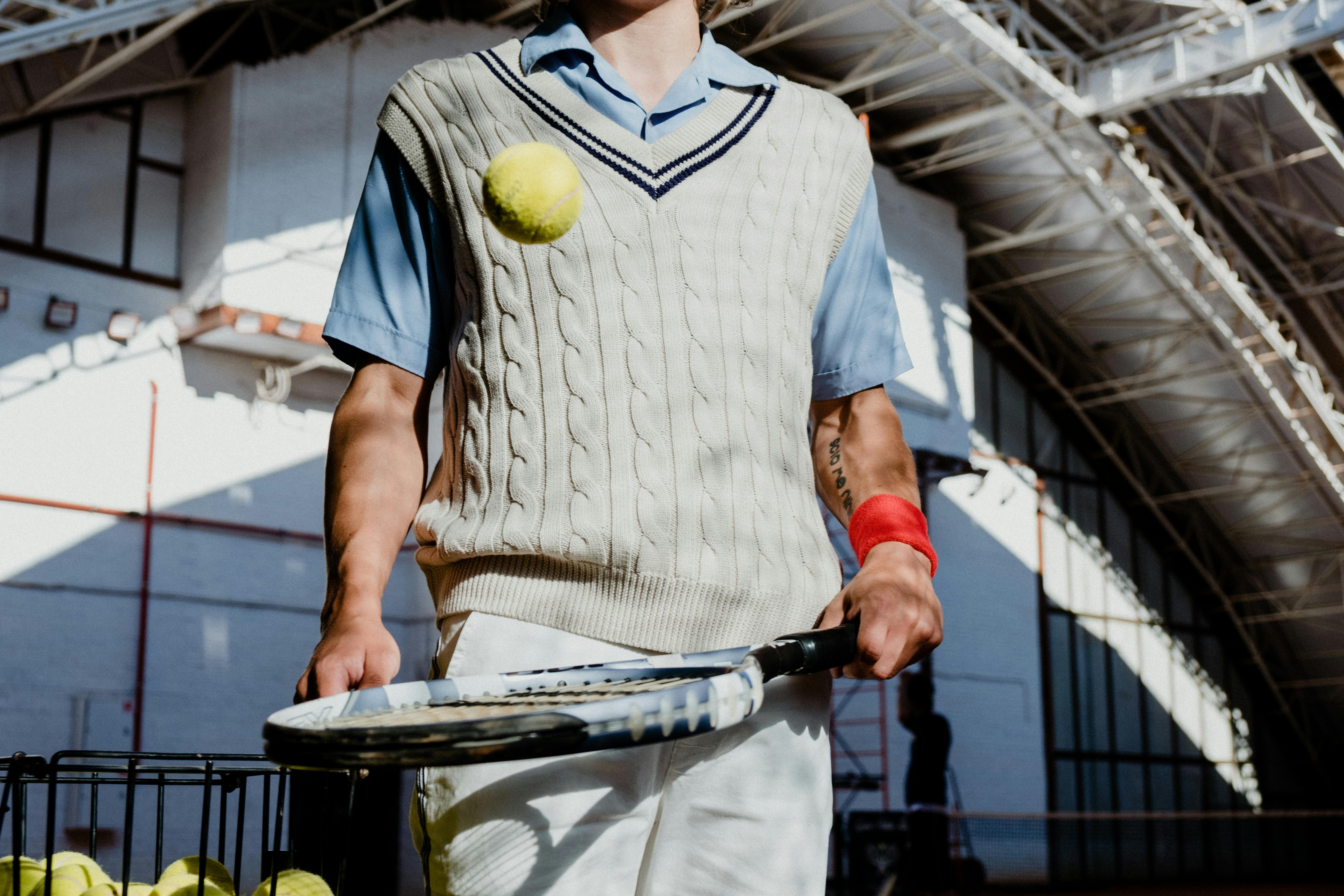
Casablanca knitwear—spanning fine cotton sweaters to merino crewnecks and premium cardigans—needs a middle ground between hygiene and limited handling, because over-frequent washing quickens fibre deterioration and pilling. The optimal strategy is to air out knitwear between wears, placing it in a well-ventilated space for some hours to remove moisture and odours before storing. When washing is needed, manually launder in cold water with a gentle detergent or use a machine’s fine cycle inside a protective laundry bag. After washing, lightly push out water without twisting, place the garment flat on a clean towel and adjust it to its intended shape while still wet. Drying flat prevents the distortion that happens when dense wet knits are placed on hangers. Fuzzing is a normal occurrence with thin knitwear; using a lint remover or a cashmere comb occasionally strips away pills and refreshes a polished surface. Place knitwear folded on flat surfaces rather than on hangers, as draping can distort shoulders and stretch the body over time. Cedar balls or lavender sachets in wardrobe drawers can assist ward off moths, which are lured by animal fibres like wool and cashmere.
Organisation Best Practices
How you arrange Casablanca clothing between wears and between seasons has a considerable influence on its durability. Shirts, blazers and outerwear should be placed on shaped or wide wooden hangers that hold the shoulders without leaving impressions. Stay away from wire hangers, which can produce marks and stretch shape. Heavy knitwear and sweatpants should be laid flat and put on shelves or in drawers, with heavier items on the bottom to minimise squashing of finer pieces above. For seasonal storage—such as putting away winter items during summer—use breathable fabric covers rather than vinyl covers, which hold humidity and can lead to yellowing or mildew. Place garments in a moderate, airy space with consistent temperature; do not use attics, basements and garages where temperature and dampness vary. Sunlight is one of the most damaging threats of colour: even filtered light over sustained periods can bleach vivid prints and dyes, so position archived clothing away from windows. Regularly inspect stored items for evidence of moth damage or mildew, and handle any issues immediately. These preservation habits are notably vital for graphic silk pieces, whose intense colours are the most susceptible to heat deterioration.
Blemish Removal and Mending
Blemishes are an unavoidable part of enjoying clothes in the modern world, and immediate action is the strongest strategy. For fluid spills on any Casablanca fabric, pat right away with a fresh, dry cloth or paper towel—never buff, as this drives the stain into the fibres and can enlarge it. For liquid stains like wine, coffee or food, dab gently with a cloth soaked in cold water and a small amount of soft soap, moving from the perimeter of the stain inward to avoid spreading. For fat-based stains, sprinkle a modest amount of talcum powder or talcum powder on the mark, leave it absorb for 15 minutes, then remove away softly and clean with a delicate detergent. Without exception check any treatment product on an discreet area of the garment first to rule out discolouration or textile damage. For persistent or extensive stains on silk, deliver the garment to a specialist cleaner as soon as possible rather than trying home remedies that may produce irrecoverable damage. Basic repairs—loose buttons, tiny seam splits, loose threads—can be managed at home with simple needlework skills or brought to a tailor. Tackling these defects immediately prevents them from deteriorating during subsequent wears and washes. With mindful stain management and early repairs, Casablanca clothing can stay in superb condition through numerous years of use. For the brand’s own care tips, review the product pages on casablancaparis.com and general fabric care guides on The Spruce.